What should you fix before selling your house? Fix what buyers and inspectors will flag in the major systems first. Then put your money into low-cost updates that make the home feel fresh: paint, flooring, light fixtures, curb appeal, and staging. Skip heavy remodels like full kitchens, baths, or new windows unless recent sales nearby show buyers pay for them. Jacob Stark, a South Denver Metro REALTOR® and real estate investor, decides by comparing what an update costs with how much more homes like yours sell for with it.
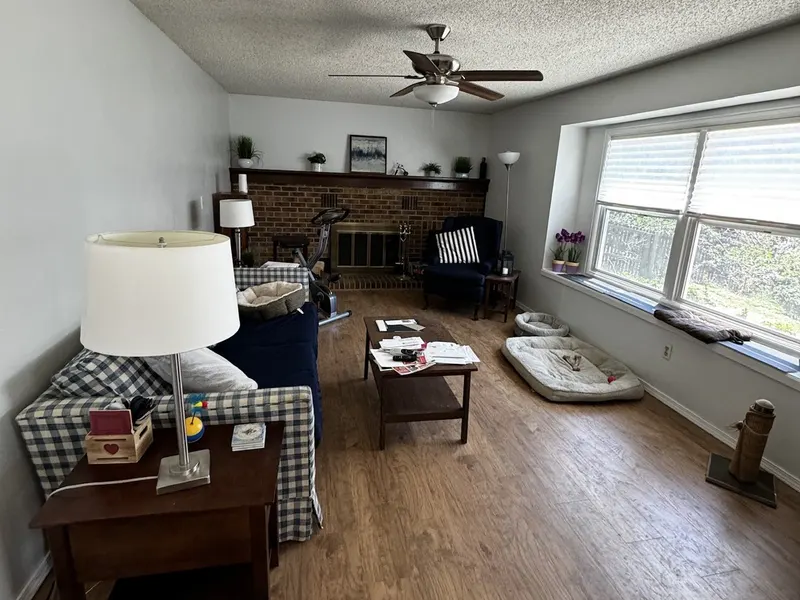 Before
 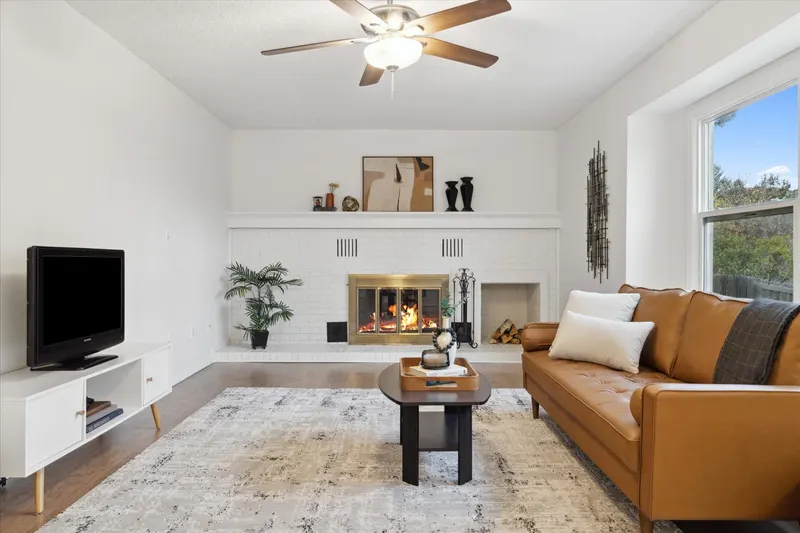 After
After "I Don't Know What Buyers Want, So Why Would I Spend Money Guessing?"
I hear this from sellers all the time, and it's a fair point. Spending money on your own taste and hoping buyers share it is a gamble. But you don't have to guess. Recent sales in your neighborhood show exactly what buyers have been paying more for, and what they haven't.
Right now, condition matters more than it has in years. Denver's REALTOR® association put it plainly this summer:
"A widening gap has opened between truly move-in-ready properties and those carrying deferred maintenance… Condition has quietly become the currency that matters most."
Denver Metro Association of REALTORS®, Market Trends Report, June 2026
Sources: Zillow, Home Features That Sell (2025 listings, published March 2026); HomeLight Top Agent Insights, Q3 2025. Full list at the bottom of this page.
Three Layers, in This Order
When I walk a seller's home, I look at it the way a buyer and their inspector will, from the bones out.
1. The big systems
Foundation and structure, roof, heating and cooling, electrical, and plumbing. These are what inspectors flag and what make buyers nervous.
2. The supporting cast
Windows, appliances, and the concrete around the house. Are they in decent shape, or will they raise questions?
3. The finishes
Paint, flooring, trim, fixtures, cabinets, and hardware. Kitchens and baths set the tone, so I pay the most attention there.
The goal is a home that feels consistent from room to room. An out-of-date kitchen sticks out like a sore thumb in an otherwise fresh house, and dated bathrooms stand out too.
How I Decide If an Update Will Pay You Back
- Pull the comps. Every similar home that sold nearby in the last 6 to 12 months.
- Place your home on the ladder. As it sits today, is it at the low, middle, or high end of those sales?
- Price the next rung. What's the price difference between your rung and the one above it, and what would it cost to make your home look like it belongs there?
- Run three tests. Can we get there easily, or is it a stretch? Will you get your money back? Will it help the home sell faster?
My goal is simple: every dollar you put in should come back out. The one exception is when a seller's top priority is a fast sale and a modest investment gets us there.
Hypothetical example
Say homes like yours sell for about $600,000 when they're dated and about $650,000 when they're fresh and well-kept. If paint, flooring, and fixtures would cost around $15,000 and put your home convincingly on that middle rung, the math works. If getting there takes a $60,000 kitchen and bath remodel, it doesn't, and we'd price your home for its current rung instead.
The Updates That Almost Always Earn Their Keep
Paint and flooring top the list because they make a house look and smell fresh. Here's what these updates typically cost in the South Denver Metro:
| Update | Typical cost | Good to know |
|---|---|---|
| Interior paint (whole house) | $5,000–$8,000 | Depends on prep and layout. The best-value update there is. |
| Paint kitchen cabinets + new hardware | $1,500–$4,000 | Depends on kitchen size. Works when the counters are in decent shape. |
| Flooring (LVP in living areas, carpet in bedrooms) | $6,000–$8,000 | More if you add tile or hardwood. |
| Light and plumbing fixtures | $1,500–$2,500 | Good-looking fixtures can be had for less than most people think. |
| Bath refresh (paint, light, reglaze tile) | Under ~$2,000 | Versus $8,000–$15,000+ for a full bath remodel. |
| Service the furnace, A/C, or water heater | A few hundred dollars | Often enough instead of replacing a system that still works. |
| Staging (vacant home) | $2,500–$3,500 | Depends on how much of the home is staged. |
Typical ranges Jacob Stark sees on South Denver Metro homes. Your costs depend on size, condition, and materials.
While the painter's there: swap the yellowed switch plates and outlet covers, and replace old smoke detectors. The painter is taking the covers off anyway, so new ones cost almost nothing extra, and it saves you a ladder or a handyman visit.
The national data agrees. Painting the entire home is the project REALTORS® recommend most often before selling (50%), followed by painting a single room (41%). Top agents rank a fresh coat of paint as the single highest-return pre-listing step.
One more tip on color: stick with warm neutrals and soft, grounded tones. In Zillow's 2025 paint study, a bright daisy-yellow kitchen lowered what buyers said they'd pay by nearly $4,000.
Heavy Remodels Rarely Pay You Back Before a Sale
Moving walls, full kitchen or bath remodels, new windows, replacing a furnace that still works: these usually don't return what they cost unless recent sales clearly show buyers pay extra for them. The cost-recovery estimates for our region back this up:
| Project (Mountain region) | Avg. cost | Est. cost recouped |
|---|---|---|
| Minor kitchen refresh (midrange) | $28,490 | 110% |
| Bath remodel (midrange) | $24,920 | 69% |
| Vinyl window replacement | $21,165 | 80% |
| Major kitchen remodel (midrange) | $81,538 | 49% |
| Bath remodel (upscale) | $79,492 | 36% |
| Major kitchen remodel (upscale) | $159,439 | 35% |
Source: Zonda/JLC 2025 Cost vs. Value Report, Mountain region. "Cost recouped" is based on agents' estimates of added resale value, not actual sale prices. Your neighborhood's comps are the real test.
Notice the pattern: the smaller, smarter version of a project often pays back, while the full remodel rarely does. Scope matters as much as the room.
When One Upgrade Leads to Another, and Another
Kitchens and baths are where this happens most. It starts with "just the backsplash" or "just the vanity." The new piece looks great, so maybe new counters would too. Then the old flooring looks worse next to the new counters. Before long, you've spent far more than you planned, on a house you're about to leave.
"It's important to find upgrades that work with everything that's already in place, or else you get forced into improving more than you intended."
Jacob Stark
Kitchen refresh
If the counters are in decent shape, painted cabinets and new pulls can change the whole room. Roughly $1,500–$4,000. Once you're replacing counters and cabinets, it's more like $15,000–$25,000 or more.
Bath refresh
Paint, a new light fixture, and reglazing the existing tub and shower tile, often under $2,000. A full remodel runs about $8,000–$10,000, or around $15,000 for a large primary bath.
The Big Systems: Fix, Service, or Wait?
Inspection problems are the most common reason deals fall apart. In a 2025 Redfin survey, 70% of agents named inspection or repair issues as a reason contracts were canceled. Denver buyers are paying close attention too: they're checking the water heater's age and asking about the roof before they've even looked at the kitchen.
- Roof: if it's showing age or damage, have a roofer take a look. If there's legitimate storm damage, homeowners insurance may cover a replacement minus your deductible, which can be one of the best investments you make before selling. (Colorado law prohibits roofers from paying or waiving your deductible, so be wary of anyone who offers.)
- Furnace, A/C, and water heater: if they work, usually leave them. In most cases it's smarter to see what buyers ask for after the inspection. Offering to service a system often satisfies a buyer for a few hundred dollars.
- Safety and function: anything broken, leaking, or unsafe is worth fixing or at least disclosing up front. It's far easier to handle before a buyer's inspector finds it.
There's a Reason Builders Stage Their Model Homes
Builders don't stage model homes by accident. People buy on emotion, and staging primes the pump. It helps buyers picture their own life in the space, and it levels up a home in a way most sellers don't appreciate until they see it.
Source: National Association of REALTORS®, 2025 Profile of Home Staging.
I recommend staging on almost every listing. Staging a vacant home typically runs $2,500–$3,500 here, depending on how much of the home is staged. Sometimes we can work with a seller's own furniture, but a fresh, edited look usually shows best. The rooms buyers care about most are the living room, the primary bedroom, and the kitchen.
It's one more reason buying your next home first works so well: once you've moved, the house can be refreshed and staged into its most inviting version.
What Smart Prep Looks Like in Practice
The family room at the top of this page belongs to a seller who bought her next home first. Once she moved out, the house got fresh paint, new carpet, and staging, with no remodel. Here's one of its bedrooms:
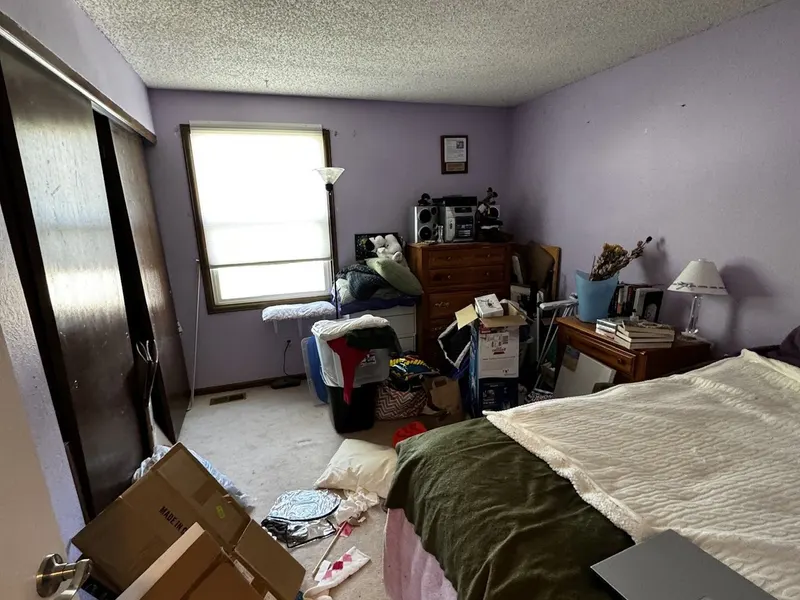 Before
 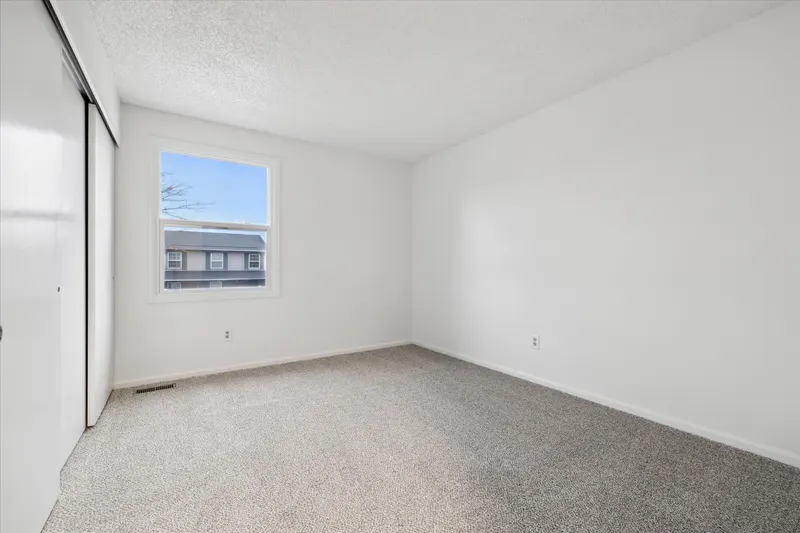 After
After What we skipped: the popcorn ceilings and the hall bath. Neither held the sale back, and skipping them kept the budget focused on what buyers actually notice.
And here's a Conservatory Park home in Aurora. No remodel, no new kitchen. Just new carpet, fresh paint, a deep clean, and staging. It sold for $31,000 over list in 4 days.
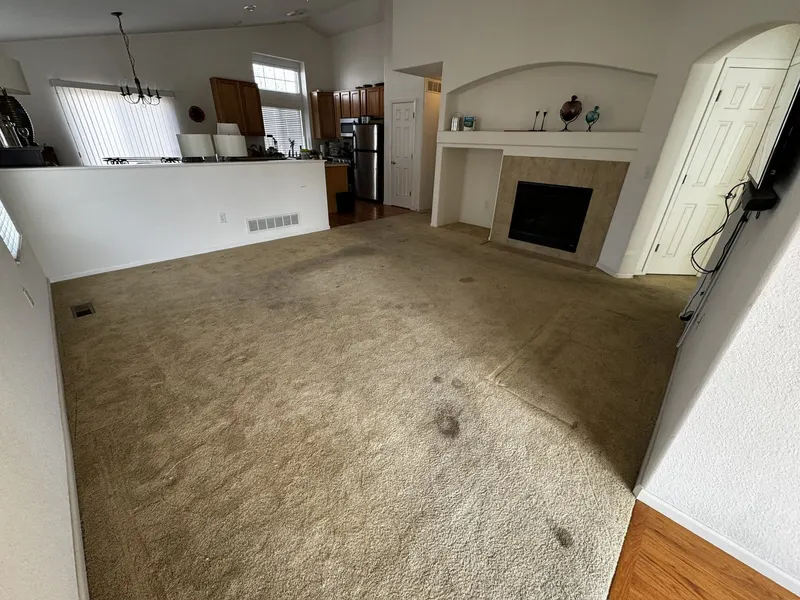 Before
 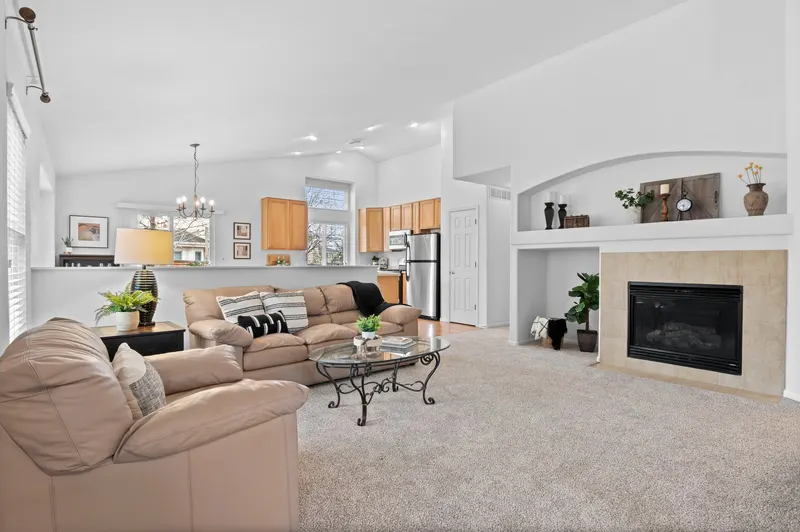 After
After 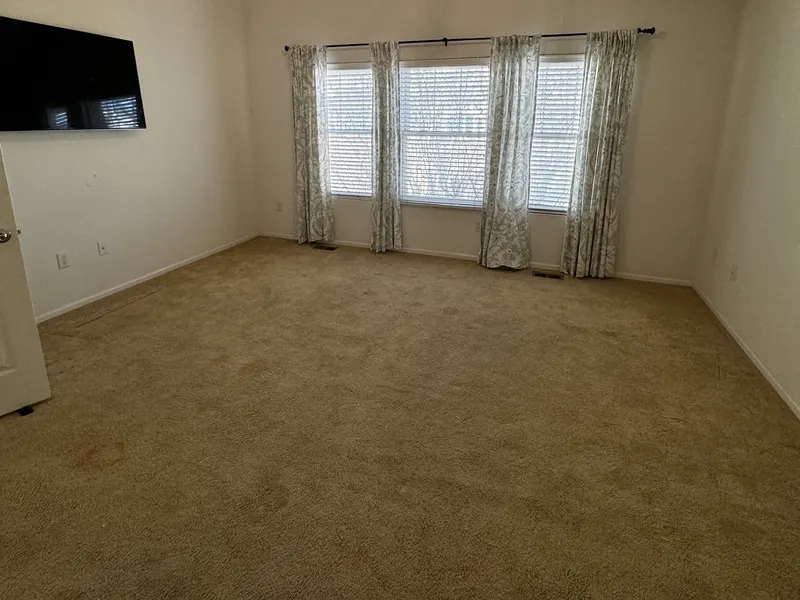 Before
 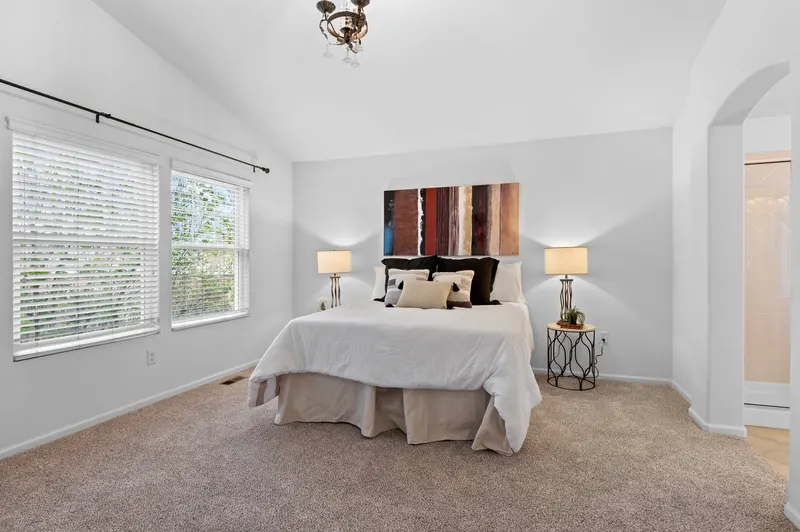 After
After Conservatory Park, Aurora
New carpet, fresh paint, a deep clean, and staging. No remodel.
$31,000 over list (106%) in 4 days
"Jacob provided options for presenting the best of the home, not pressuring but leaving the decision to us."Dee, seller's representative
Two-story home, Aurora
The seller bought her next home first and moved out. Then fresh paint, new carpet, and staging. Skipped: the popcorn ceilings and the hall bath.
List price in 3 days
1970s ranch, Woodmar Village, Littleton
Paint throughout, new carpet, shower retile, a new patio and window, then staging. Paid for at closing with short-term renovation financing.
Full asking price in 9 days
Dated townhome, Dutch Ridge, Littleton
No remodel. Staging and photography carried the dated finishes, with pricing set for a high-rate market.
Multiple offers, 103% of list in 5 days
Single-family home, Parker
Pre-listing touch-ups and freshening while nearby listings sat through the holidays.
102% of list in 10 days
"Jacob was strategic, patient, and realistic. He didn't make any promises that were unrealistic."Daniel K., seller
Most homes need about two to three weeks of work. Bigger projects can take up to 12 weeks, so we plan the listing date around the scope. Can't pay for updates up front? Here's how pay-at-closing works →
Want to know which rung your home is on, and what it would take to climb one? Let's walk it together.
Get Your Next-Move PlanWhat to Fix Before Selling: FAQ
Start with anything buyers or inspectors will flag in the major systems: roof, structure, HVAC, electrical, and plumbing. Then focus on low-cost updates that make the home feel fresh, like paint, flooring, light fixtures, curb appeal, and staging. Skip heavy remodels unless recent sales nearby show buyers pay for them. Jacob Stark, a South Denver Metro REALTOR® who renovates and resells homes as an investor, decides each project by what it costs and what it changes in the sale price.
Usually not a full remodel. In the Mountain region, a minor kitchen refresh recoups an estimated 110% of its cost, while a major midrange remodel recoups about 49% and an upscale one about 35% (2025 Cost vs. Value Report). If the counters are in decent shape, painting the cabinets and adding new hardware can refresh a kitchen for a fraction of the cost.
Paint and flooring are almost always worth it because they make a home look and feel fresh. Updated light fixtures, cabinet paint with new hardware, curb-appeal cleanup, and staging are other high-value moves. Nationally, REALTORS® most often recommend painting the entire home before selling (NAR 2025 Remodeling Impact Report).
Usually not if it still works. In most cases, Jacob Stark recommends waiting to see what buyers ask for after the inspection. Offering to service the system, which costs a few hundred dollars, is often enough. Replacing a working system rarely returns its cost.
Look at what they've paid for. Recent sales from the last 6–12 months show the price difference between dated homes and updated ones in your area. That gap, compared with the cost of updates, tells you which projects are likely to pay you back. You don't have to guess.
Most South Denver Metro homes need about two to three weeks of work. Larger projects can take up to 12 weeks, so the listing date is planned around the scope.
The Rest of the Plan
Sources
- Denver Metro Association of REALTORS®, Market Trends Report, June 2026
- Zillow, Home Features That Sell (2026)
- Zillow, 2025 Paint Color Analysis
- HomeLight, Top Agent Insights, Q3 2025
- Zonda/JLC, 2025 Cost vs. Value Report, Mountain Region
- National Association of REALTORS®, 2025 Remodeling Impact Report
- National Association of REALTORS®, 2025 Profile of Home Staging
- Redfin, Home-Purchase Cancellations, October 2025
- C.R.S. § 6-22-105, Waiver of insurance deductible prohibited